Prospect Fencing Supplies
Standish, Wigan, WN6 0QPMon to Fri 8am to 6pm, Sat and Sun 9am to 2pm
07840 349 621

Family-run. Supply only or supply and install.

Security Mesh Fencing for Commercial and Industrial Sites

358 anti-climb and twin wire mesh systems, specified to the security level your site actually needs. Supplied and installed across Wigan, Greater Manchester and Lancashire. Supply only orders delivered UK-wide.

Anti-climb specifications
Commercial and public sector
Supply only or installed
Insurance and RAMS on request
★★★★★Rated 5 stars on Google and Facebook
Free site survey

Request a security fencing quote

Tell us about the site and we will come back with a specification and a price.

Rated 5 stars on Google and Facebook
Free site survey and no-obligation quote
Supply only or supply and install
Fully insured, in-house installers

Choosing the right mesh for the site, not the catalogue

Most sites do not need the highest security specification available. They need the right one, correctly installed, at a price that gets signed off. The two systems that cover the majority of commercial work in the UK are 358 mesh and twin wire mesh, and they solve different problems.

The honest starting question is what you are protecting, who is likely to try, and what happens if they succeed. A distribution yard holding high-value stock and a primary school boundary have verydifferent answers.

The systems we supply

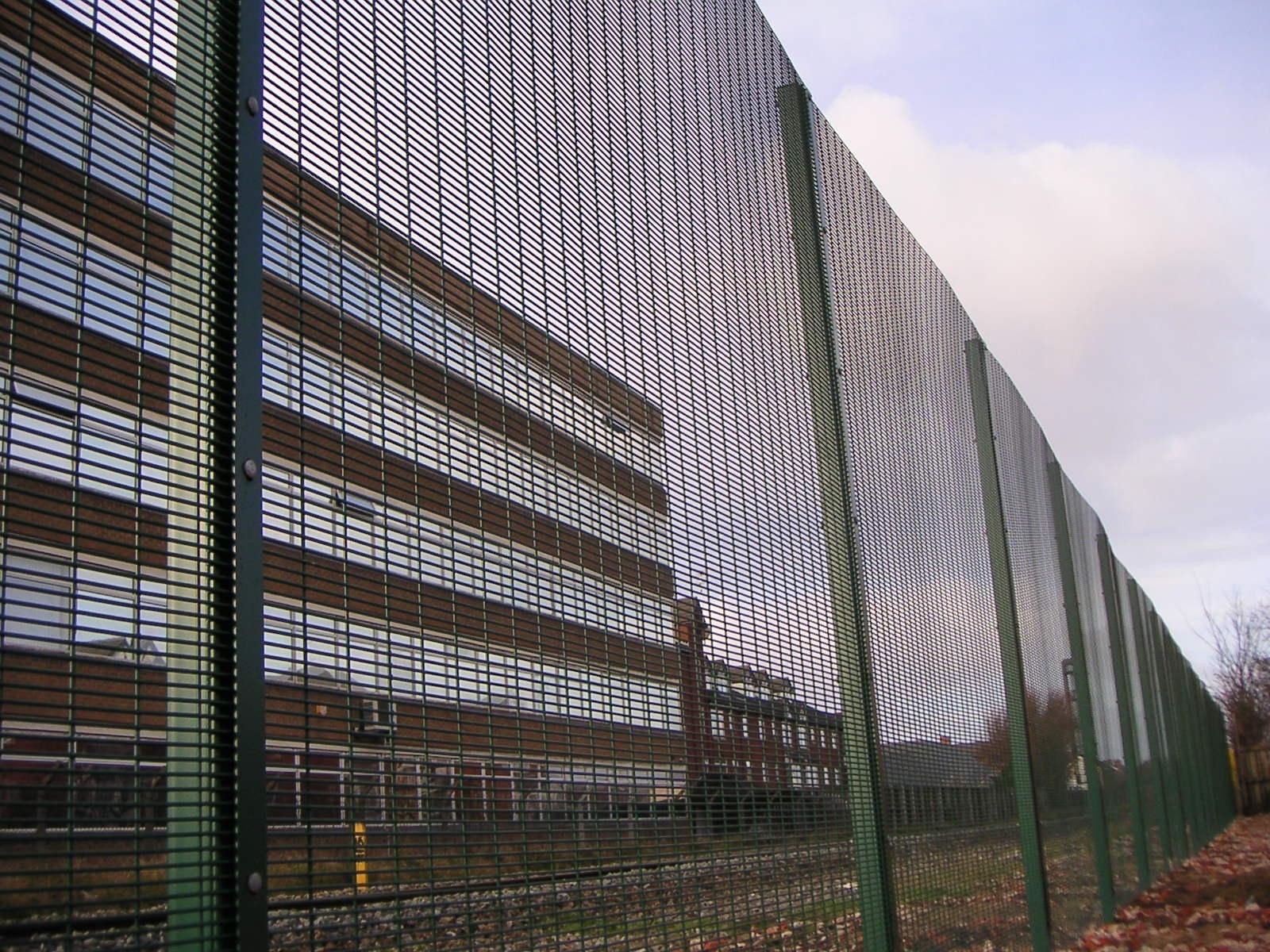
358 anti-climb mesh panel showing the narrow 76.2mm by 12.7mm aperture
Highest security

358 anti-climb mesh

Often called prison mesh. The aperture is 76.2mm by 12.7mm, which is 3 inches by half an inch. That narrow vertical gap leaves no finger or toe hold and very little room to get a cutting tool in and gain purchase. Wire is typically 4.0mm, welded at every intersection.

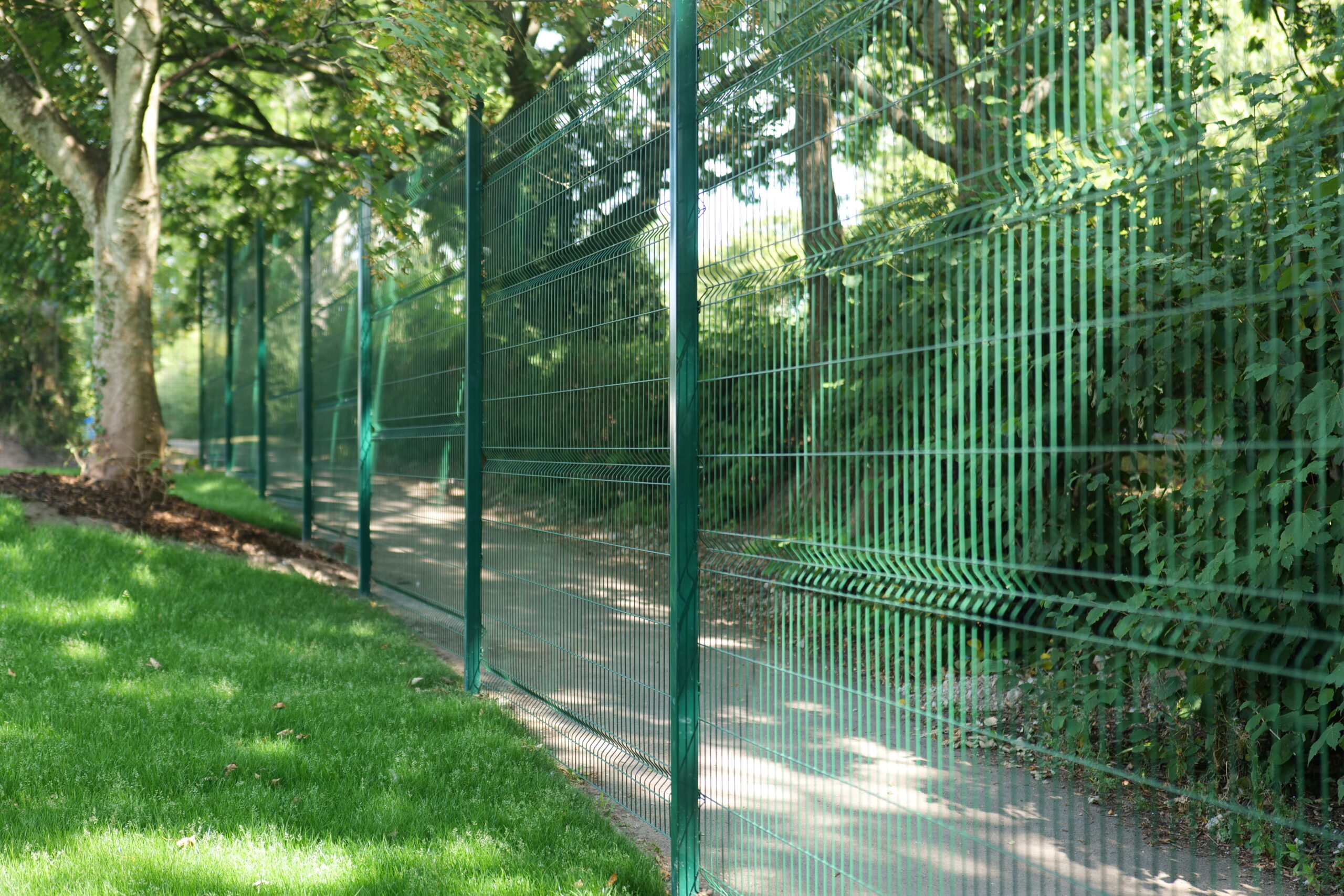
868 twin wire mesh fencing panels along a commercial boundary
Best value

Twin wire mesh, 868 and 656

The numbers describe the wire, not a product code. In 868, two horizontal wires of roughly 8mm sandwich a single 6mm vertical wire at each weld. 656 is the same idea in lighter wire, two 6mm horizontals either side of a 5mm vertical. Aperture is 200mm by 50mm. Rigid, cleaner looking, and usually lower cost than 358 for the same run.

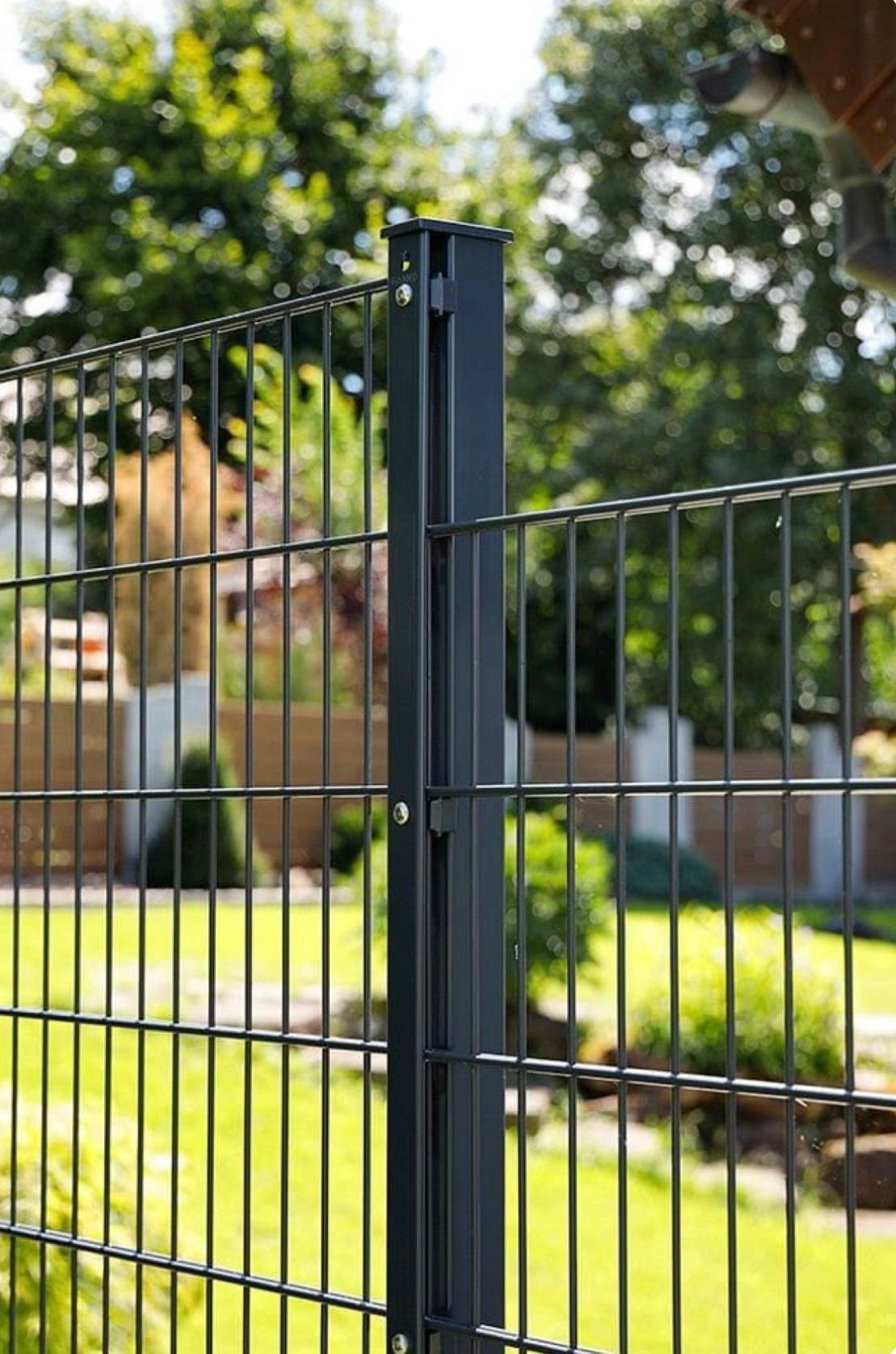
Welded mesh panel fencing system with galvanised posts
Boundary

V-mesh security fencing

V-mesh security fencing suit anywhere you want a rigid, low maintenance boundary that is hard to cut. Featuring a welded mesh design engineered for stability and resistance to vandalism, yet it is more economical than some heavier systems. They provide an excellent balance between protection and cost-effectiveness.

Specification detail

The numbers a specifier needs before they can price a job.

Specification detail
358 aperture and wire76.2mm by 12.7mm aperture, typically 4.0mm wire, welded at every intersection.
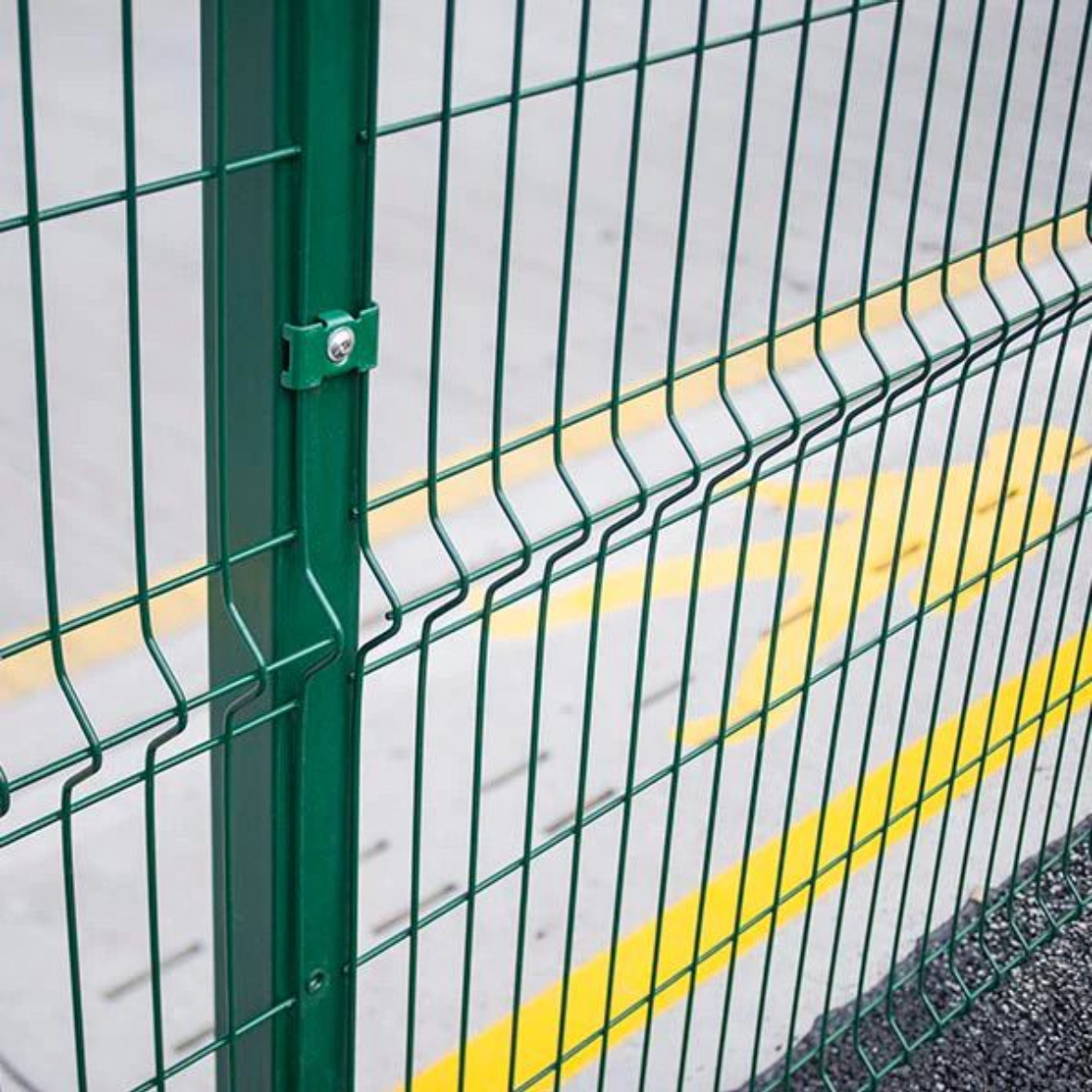
Twin wire aperture200mm by 50mm, with a double horizontal wire top and bottom for rigidity.
Heights358 commonly 1.8m, 2.1m, 2.4m and 3.0m. Twin wire from around 1.2m to 3m, with 1.8m and 2.0m most common on schools and commercial premises. Sports and MUGA systems run 3m to 4.5m.
Panel widths358 panels are commonly 2515mm wide. Twin wire runs at roughly 2500mm to 2520mm depending on the system. We confirm the exact panel size for the range being quoted.
PostsAngle post or rectangular hollow section, commonly 60x60mm up to 80x80mm, sized to panel height.
FixingsClamp bars with bolts. For security work, anti-tamper or one-way shear-head fixings so panels cannot be taken off from the outside with a standard tool.
FinishHot-dip galvanised to BS EN ISO 1461, then polyester powder coated. Green and black are the common trade colours, other RAL colours to order.
FoundationsPosts normally set in concrete, with depth and diameter decided by post height and the ground you actually have. Bolt-down baseplates where excavation is not possible, which is generally a compromise on security and so a decision taken with you at survey.
Anti-digA buried mesh apron, a concrete toe or a deeper foundation, where the threat assessment says undermining is a realistic route.
StandardsSystems can be specified against BS 1722, and against LPS 1175, which rates a manufactured product's resistance to forced attack. Issue 8 replaced the old SR ratings with a two-part code, a letter for the tool kit used in the test and a number for the delay in minutes achieved, so you will see a specification written as something like B5 or D10. NPSA publishes guidance for critical infrastructure. These certifications attach to tested products from the manufacturer. We will identify and name a system certified to the level your specification calls for.

Toppings, and when they are the wrong answer

Barbed wire and razor coil are not illegal in the UK, but they carry height, signage and liability considerations, and anything low and close to a public highway risks being treated as a nuisance. They are not appropriate on sites with close public or pupil access.

Where a topping is genuinely justified by the risk, we will say so and specify it properly, with the right height and the right signage. Where it is not, we will say that too. Rotating anti-climb spikes are a lower impact alternative on higher risk industrial perimeters, and carry the same signage and liability considerations.

Sectors we supply

  • Schools and education. Twin wire or 358 depending on the risk assessment. Anti-climb matters as much for keeping pupils in as intruders out. Toppings are generally not appropriate.
  • Warehouses and distribution. Taller runs, 2.4m to 3m, usually paired with vehicle gates and access control rather than toppings.
  • Industrial estates. A mix, with the higher specification concentrated on the higher value or higher exposure boundaries.
  • Sports facilities and MUGAs. Purpose built rebound systems, a finer aperture rebound zone at low level with 200x50mm mesh above, 3m to 4.5m depending on the sport.
  • Utilities and substations. Higher security specification reflecting critical infrastructure risk.
  • Data centres. Specifiers here will ask for the test certification on the actual system, which is why we name the product rather than make a blanket claim.
  • Car parks. Twin wire in a chosen RAL colour, where sightlines and appearance matter alongside security.
  • Public realm and civic sites. Appearance leads, so twin wire in colour normally beats the more institutional look of 358.

Supply only, or supply and install

Supply and install

Survey, supply and install within roughly 20 miles of Standish: Wigan, Chorley, Buckshaw Village, Leyland, Coppull, Preston, Bolton, Skelmersdale and the surrounding parts of Greater Manchester and Lancashire.

Supply only, delivered UK wide

If you have your own contractor, or the site is outside our install radius, we supply panels, posts, clamp bars and fixings and deliver anywhere in the UK. Send us the run length, the height and the specification and we will price the materials.

Recent installations

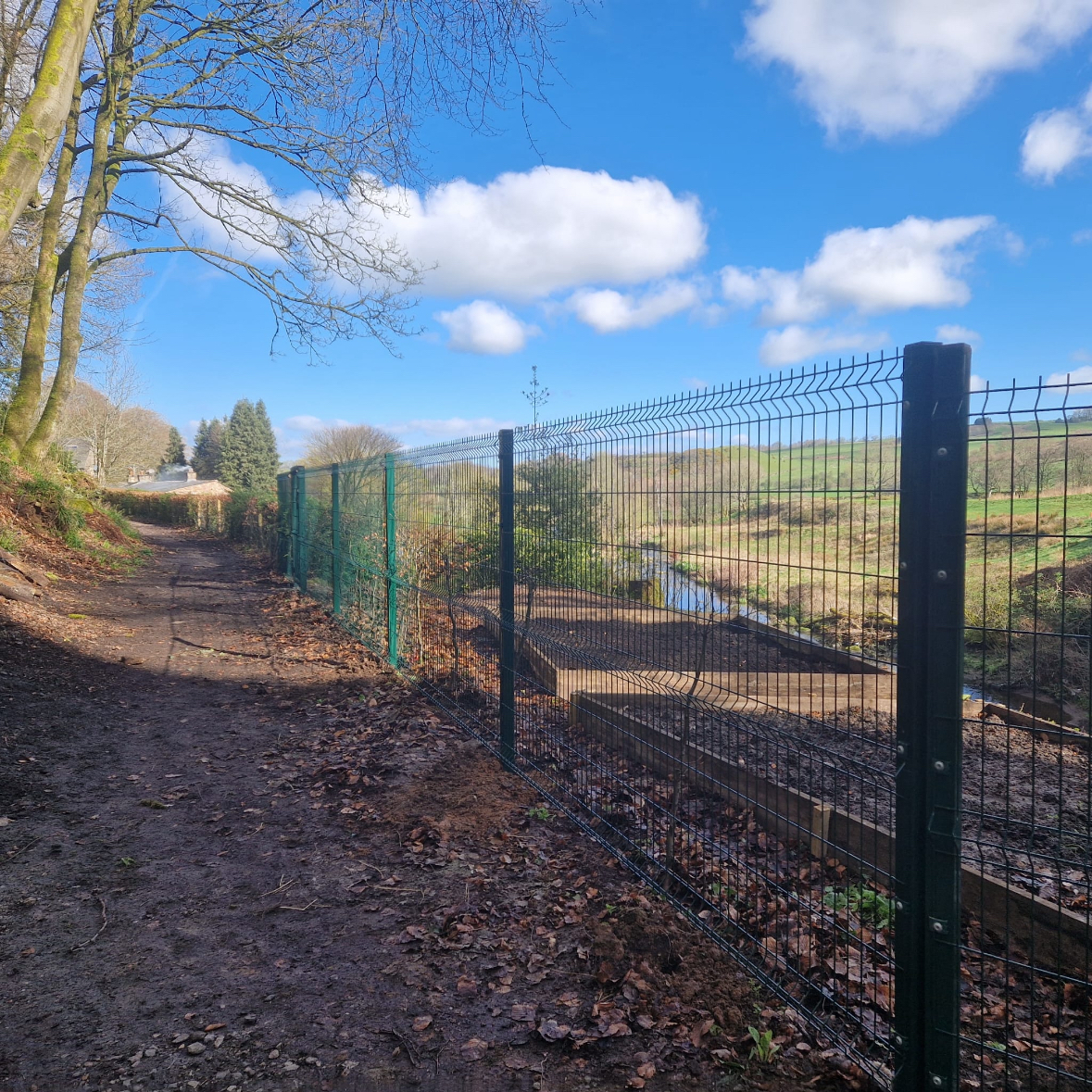
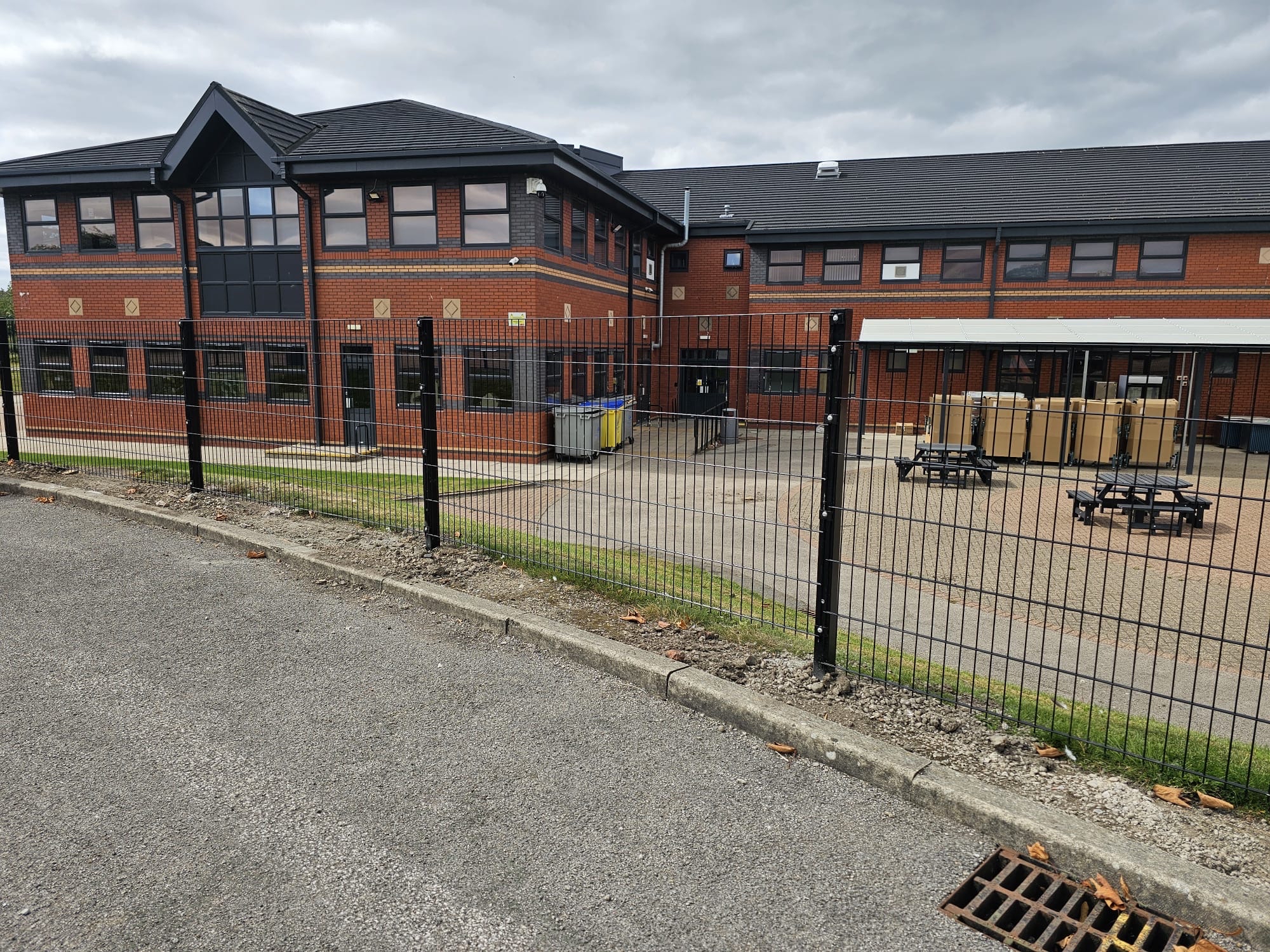
Mesh fencing we have supplied and installed on commercial and industrial sites.

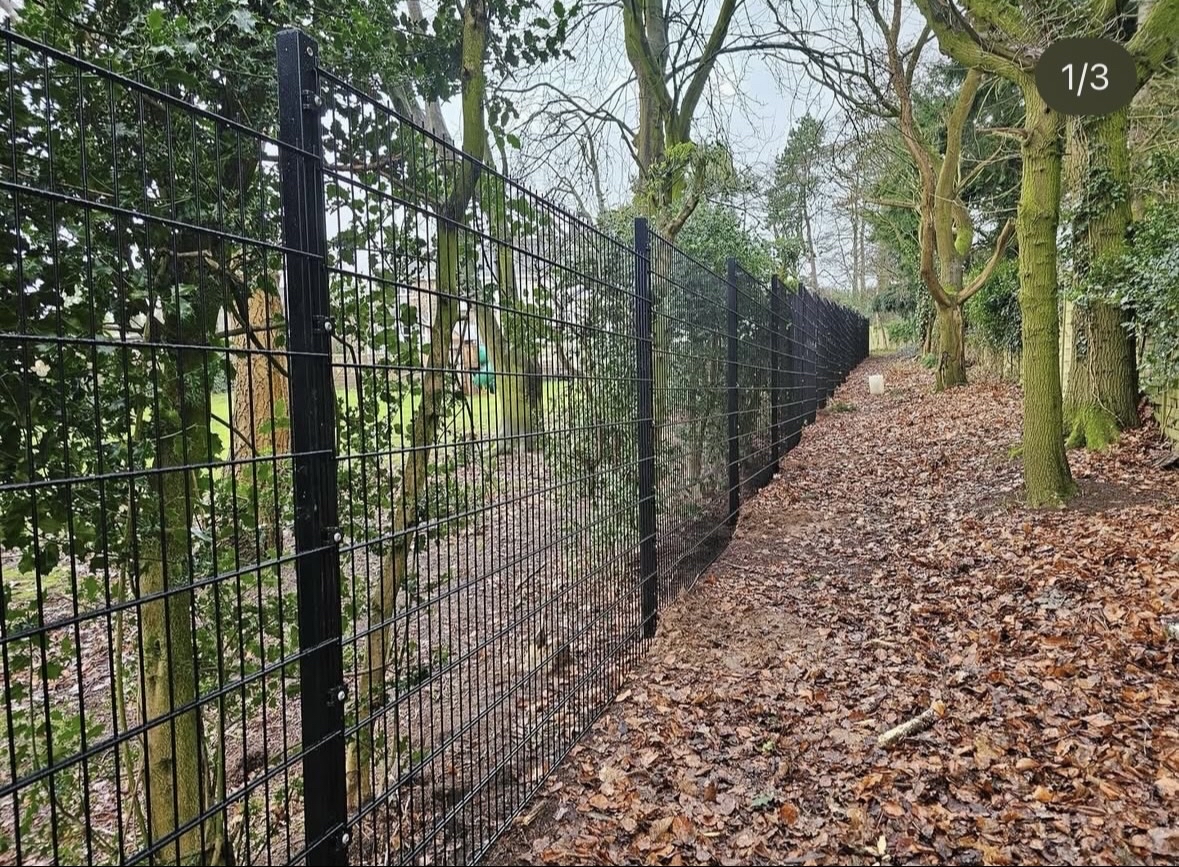
Twin wire mesh fencing along a commercial boundary
Twin wire mesh panels fixed to steel posts
Welded mesh security fencing at a commercial site
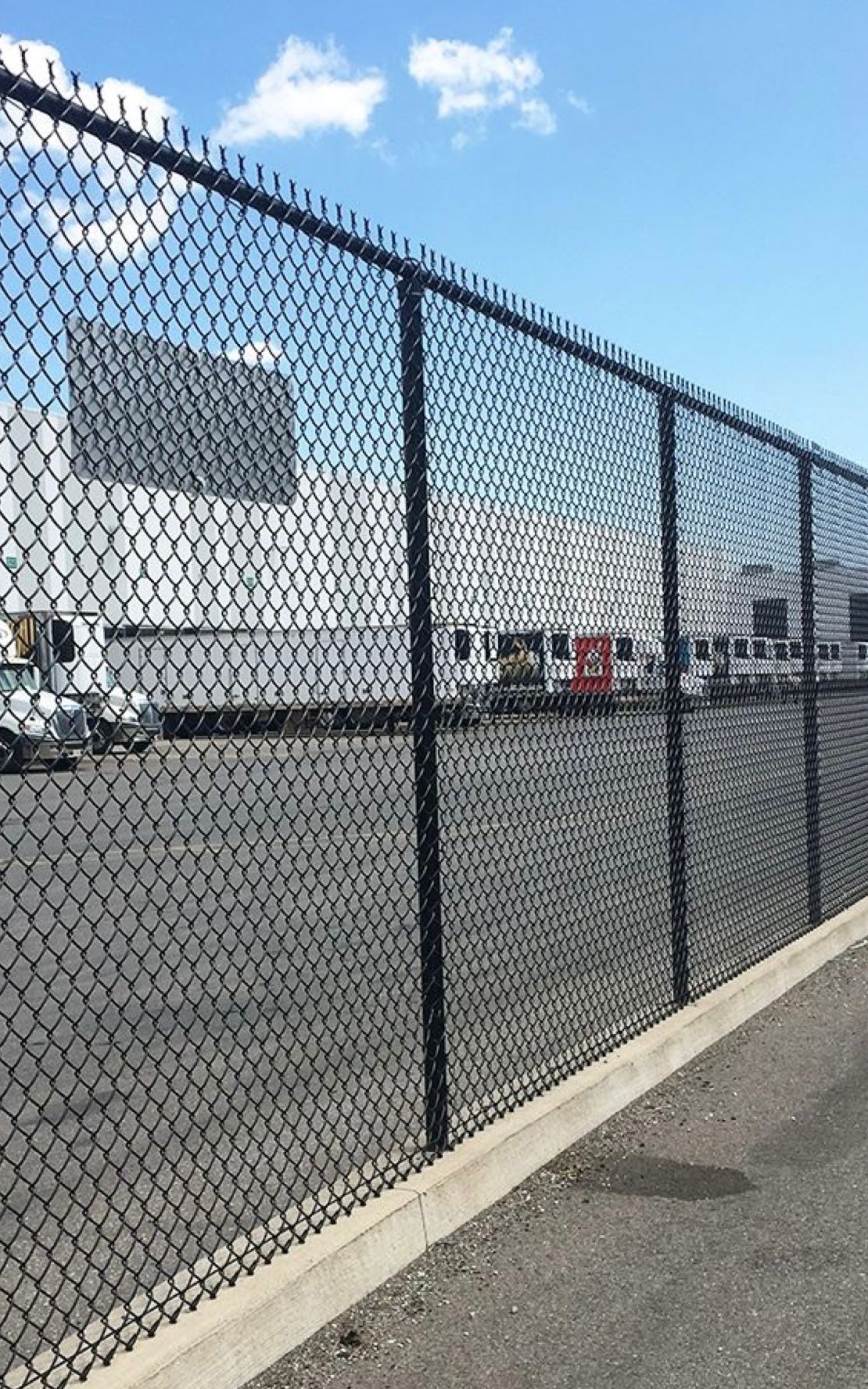
Galvanised chain link boundary fencing
Chain link fencing on a sloping boundary
Chain link mesh fencing along a site perimeter

What drives the price

Fencing is priced by the metre, and the figure moves with the job. Four things decide it:

  • Run length, because everything is priced by the metre
  • Height and specification, which decides the materials and the post sizes
  • Ground conditions, because concreted posts and hard standing are different jobs
  • Site access, and whether we can get plant and deliveries to the fence line

Tell us those and we can give you a real number rather than a guess. Site surveys are free and there is no obligation. Insurance documentation and RAMS are available on request.

How it works

Four steps from first message to a finished job.

Send your sizes or book a free site survey

Run length, height and the site postcode is enough to start.

We measure and confirm the spec

We look at the ground, the access and the risk rather than guess at it.

Written quote

Specification, quantities and a realistic programme, in writing, with no obligation.

Booked in for supply or install

We agree a date and phase the work so your site keeps running.

What our customers say

★★★★★
Sorted our industrial site perimeter quickly and efficiently. The security mesh is exactly what we needed.
David R.Standish · Facebook
★★★★★
Security fencing for our business premises turned up on time and went in perfectly. Five stars for product and service.
John P.Bolton · Facebook

Rated 5 stars on Google and Facebook

Every review on this page is a real one from a customer in the North West. You can read the rest for yourself.

Read our reviews

Frequently asked questions

Specification questions commercial buyers ask before they commit.

358 has a 76.2mm by 12.7mm aperture that removes finger and toe holds, which makes it genuinely anti-climb and suits higher risk sites. Twin wire has a 200mm by 50mm aperture with a double wire top and bottom for rigidity. It is a strong deterrent barrier at a lower cost, appropriate where the risk assessment does not require full anti-climb performance.

They describe the wire diameters, not a product code. 868 is two 8mm horizontal wires sandwiching a 6mm vertical wire at each weld. 656 is the same construction in lighter wire, two 6mm horizontals either side of a 5mm vertical.

Commonly 1.8m to 3m depending on what is being protected. Sports and MUGA applications go higher, often 3m to 4.5m. The right height comes out of the survey and any requirement your insurer or client has set, not a standard figure.

Not if the fixings are specified correctly. Security installations use anti-tamper or one way shear-head fixings on the clamp bars so a standard tool will not take a panel off.

Hot-dip galvanised to BS EN ISO 1461 as the corrosion base, then polyester powder coated. Green and black are the common trade colours. Other RAL colours are available to order if you need to match an existing scheme.

Generally no. Toppings carry height, signage and liability considerations and are not appropriate where pupils or the public are close to the fence line. An anti-climb mesh system without a topping is the usual and more defensible specification for a school.

BS 1722 covers fence construction categories including anti-intruder and open mesh steel panel fencing. LPS 1175 rates a manufactured product's resistance to forced attack. Issue 8 replaced theold SR ratings with a two-part code, a letter for the tool kit used in the test and a numberfor the delay in minutes achieved, so a specification reads as something like B5 or D10. NPSA publishes guidance for higher risk and critical infrastructure. These attach to tested products, so we will identify a system certified to the level your specification calls for.

Bolt-down baseplates onto existing hard standing are the alternative where excavation is not possible, for example over buried services. It is generally a compromise on security compared with a concreted post, so it is a decision we take with you at survey rather than assume.

Yes. Commercial work is normally phased so the perimeter stays secure and the site stays operational while we are there. We agree the sequence with you before we start.

Yes. Supply only with UK-wide delivery, for contractors and for sites outside our install radius. Send the run length, height and specification and we will price the materials.

Request a Security Fencing Quote

Tell us about the site and we will come back with a specification and a written quote. Insurance documentation and RAMS available on request.

Prefer to talk it through?

07840 349 621WhatsApp us[email protected]

Mon to Fri 8am to 6pm. Sat and Sun 9am to 2pm.